Aman and Four Seasons Highlight the Value of Yacht Charters
Luxury hospitality brands are entering the yachting world in a big way. Aman and Four Seasons are launching yacht-style experiences that promise to bring their signature service onto the water. On paper, it feels like a natural evolution of luxury travel.
In reality, these new offerings highlight something else entirely: private yacht charters still define what true luxury at sea looks like.
One of the biggest differences comes down to how the experience is structured. Traditional yacht chartering has long been associated with a more understated, “old money” approach to luxury. The focus is on privacy, personalization, and control. Every aspect of the trip, including destinations, dining, and timing, is built entirely around the guest.
By contrast, hotel-branded yachts lean into a more visible and standardized version of luxury. The experience is highly curated, but it is also fixed. Guests are buying into a pre-designed itinerary, often alongside other travelers, rather than creating something tailored to their own preferences. It feels polished and familiar, but not fully personal. That distinction becomes even more important when you look at pricing.
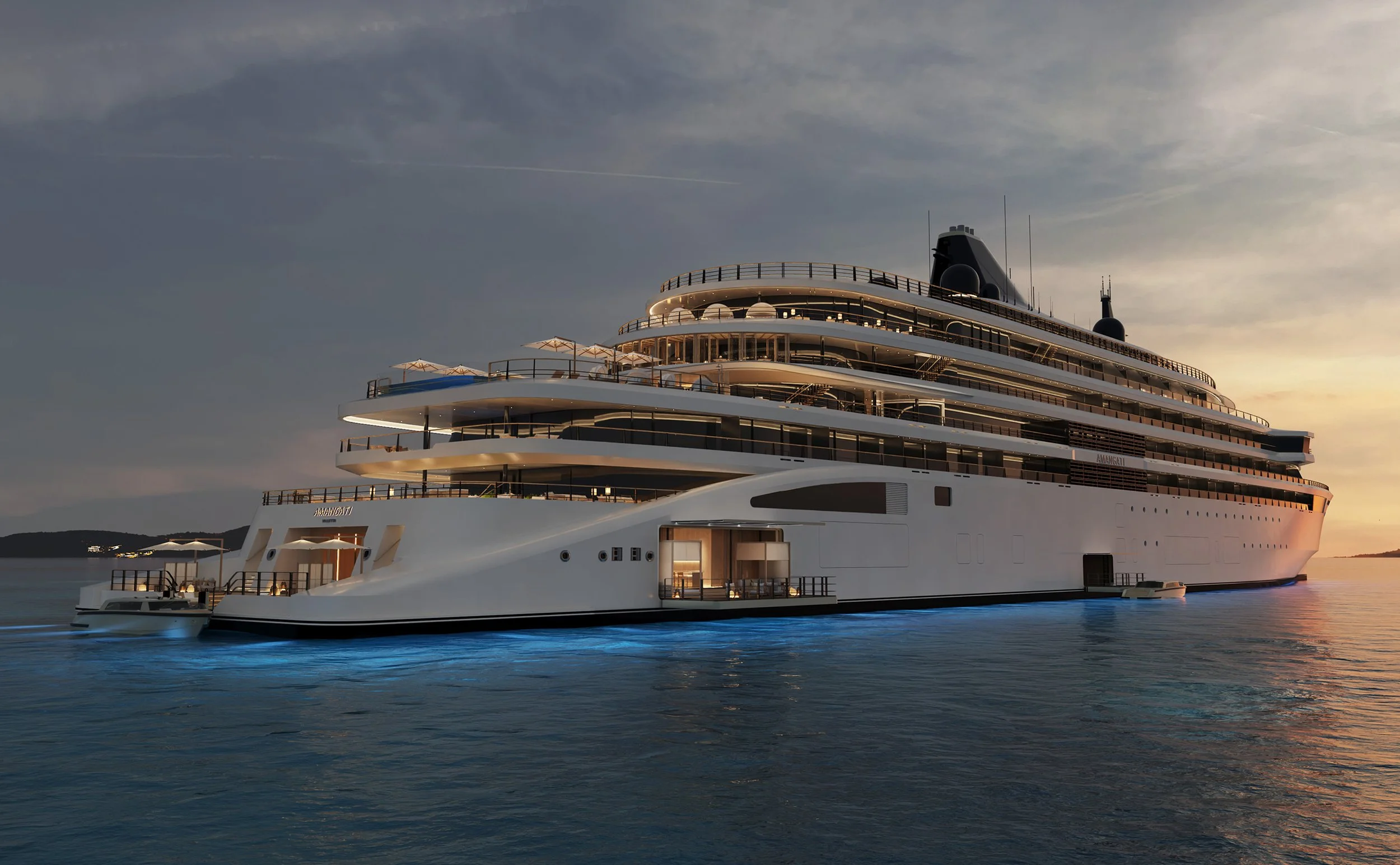
Image courtesy of Aman
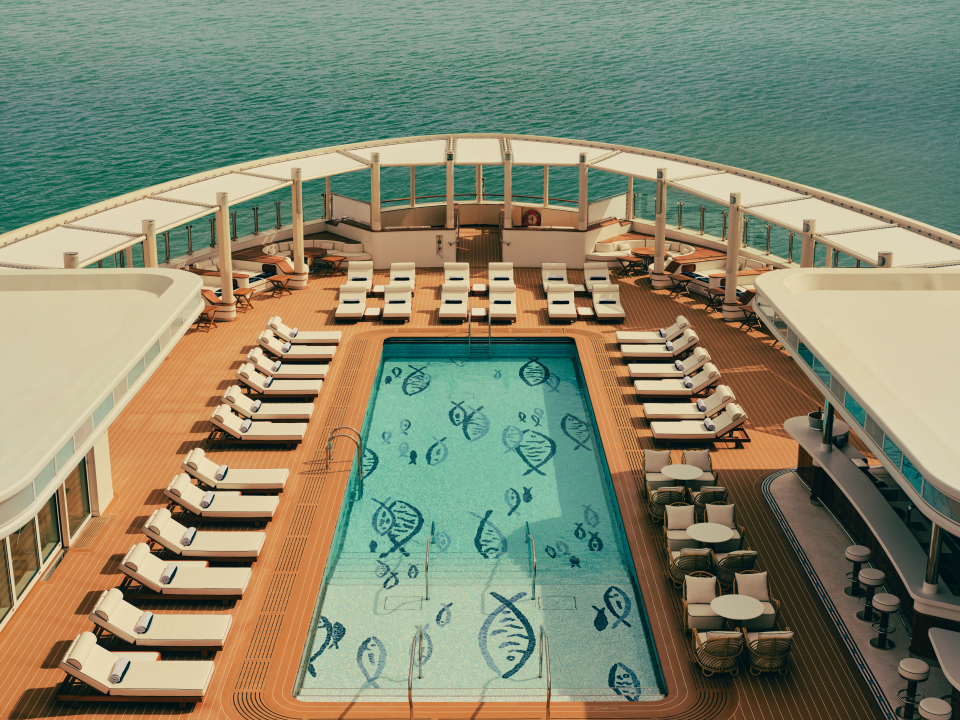
Image courtesy of Four Seasons
At first glance, private yacht charters can seem significantly more expensive. High-end charters often start around $100,000 per week. However, there are also strong options at lower price points. For example, yachts like Exit Strategy are available for around $60,000 per week while still offering a fully staffed, private experience. This typically includes a crew dedicated entirely to one group, along with a private chef, custom itinerary, and full access to the vessel.
When that cost is split among 8 to 12 guests, the per-person price becomes far more competitive than it initially appears. In many cases, it is comparable to or even lower than the per-person pricing of hotel-branded yachts.
More importantly, the private charter experience goes far beyond pricing. Guests complete detailed preference sheets ahead of the trip, allowing everything from meals to activities to be tailored in advance. From preferred cuisines and specific wines to daily routines and water activities, the experience is built around individual preferences rather than a fixed program.
This level of flexibility carries into the day-to-day experience on board. Unlike structured yacht or cruise-style itineraries, private charters are not bound to a strict schedule. Routes can shift based on weather, mood, or interest, allowing guests to spend more time in certain destinations or move on entirely. Whether that means anchoring in a quiet cove, arranging a last-minute beach setup, or extending a stop in a favorite port, the experience remains fluid.
The onboard environment also plays a major role. With a private charter, the space is entirely your own. There are no shared common areas with strangers, no fixed dining times, and no need to coordinate around other guests. Service is continuous and fully attentive, with crew members adapting in real time rather than following a preset structure. This creates a more relaxed and personal atmosphere that is difficult to replicate in a shared setting.
These photos below, taken by a friend who chartered Exit Strategy in the Caribbean last May, show what that experience actually looks like.
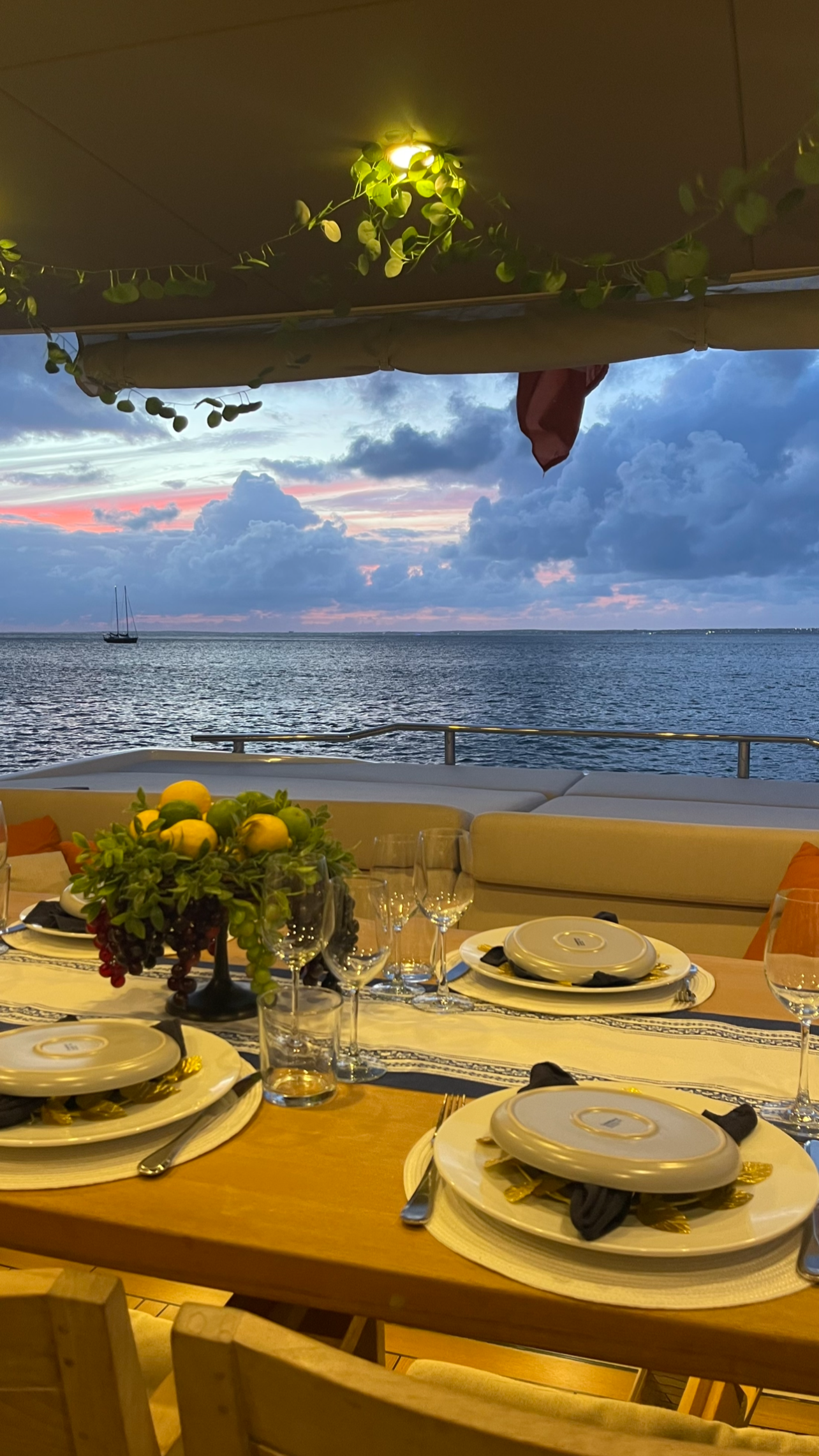
Private charter dining setup aboard Exit Strategy in the Caribbean
Photo by Aaron Ford
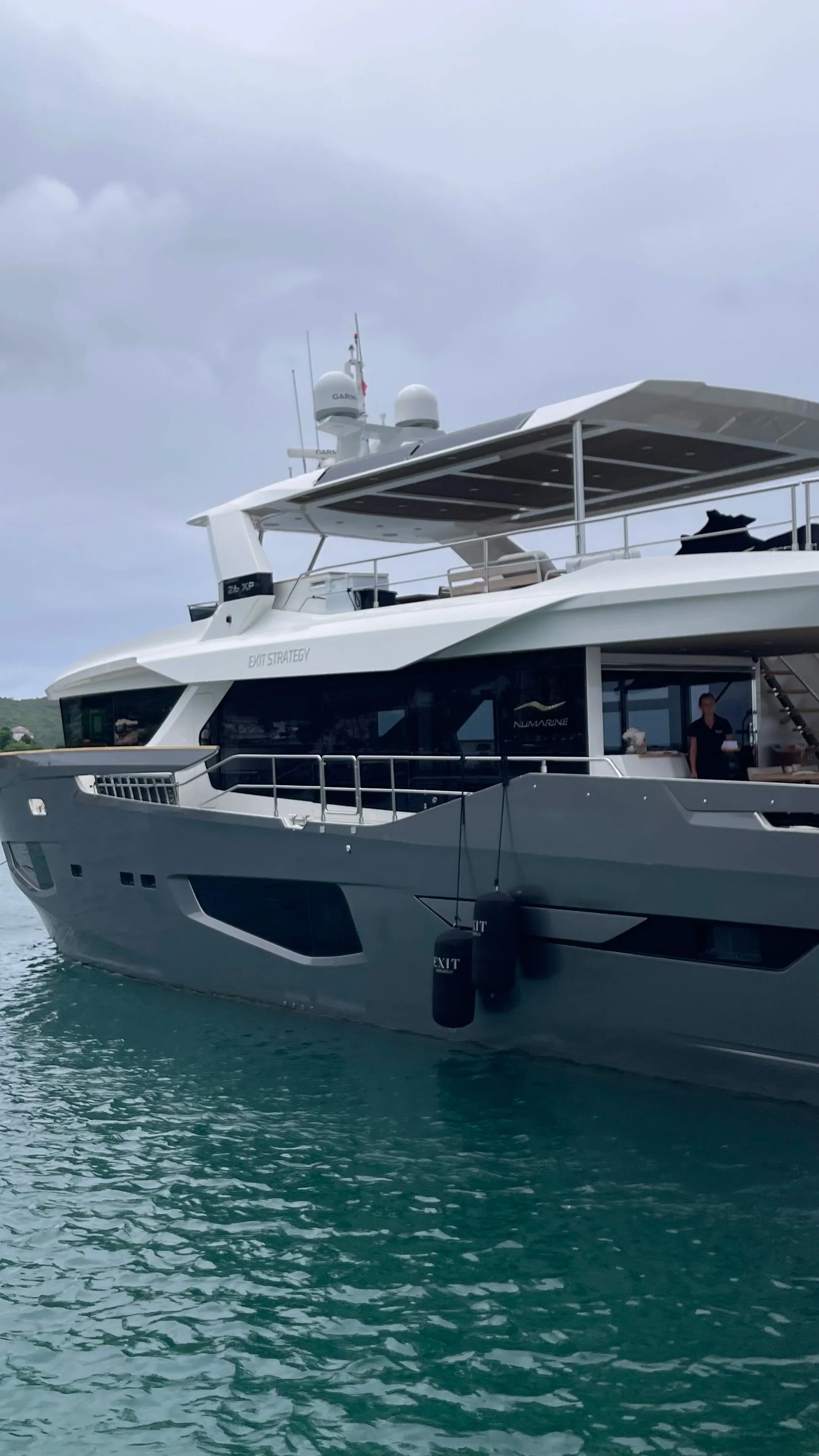
Exterior of private charter yacht Exit Strategy in the Caribbean
Photo by Aaron Ford
In contrast, Aman and Four Seasons operate on a per-person pricing model, and that price is not always fully inclusive. Additional costs for dining, excursions, and onboard experiences can increase the total significantly. While the upfront pricing may appear simpler, the overall value becomes harder to justify when compared to a fully private charter experience that offers more control, privacy, and personalization. This is what makes the current shift in luxury travel so interesting. Hotel brands are not necessarily improving the yachting model—they are reframing it. By blending elements of cruising with the branding of ultra-luxury hospitality, they are creating something that sits between a traditional cruise and a private charter.
But in doing so, they also reinforce the value of what already exists.
Private yacht charters remain unmatched in their ability to deliver privacy, flexibility, and a fully tailored experience. They are designed around the guest, not around a fixed schedule or shared environment. And when the cost is viewed on a per-person basis, they often make far more sense than they initially appear to.
Ultimately, the arrival of Aman and Four Seasons into the yachting space does not replace traditional chartering. Instead, it highlights why it still reigns
